Tailored Senior Care Services: Your Guide in Aging Gracefully
Personalized elderly support services serve an essential role in supporting seniors as they grow older. These services concentrate on personal choices and requirements, providing vital help that improves both independence and well-being. With choices ranging from companionship to expert medical services, families often face challenges in selecting the right approach. Comprehending the various elements of personalized support can contribute to significant improvements in overall wellness for older adults. What factors should one consider when selecting a care provider?
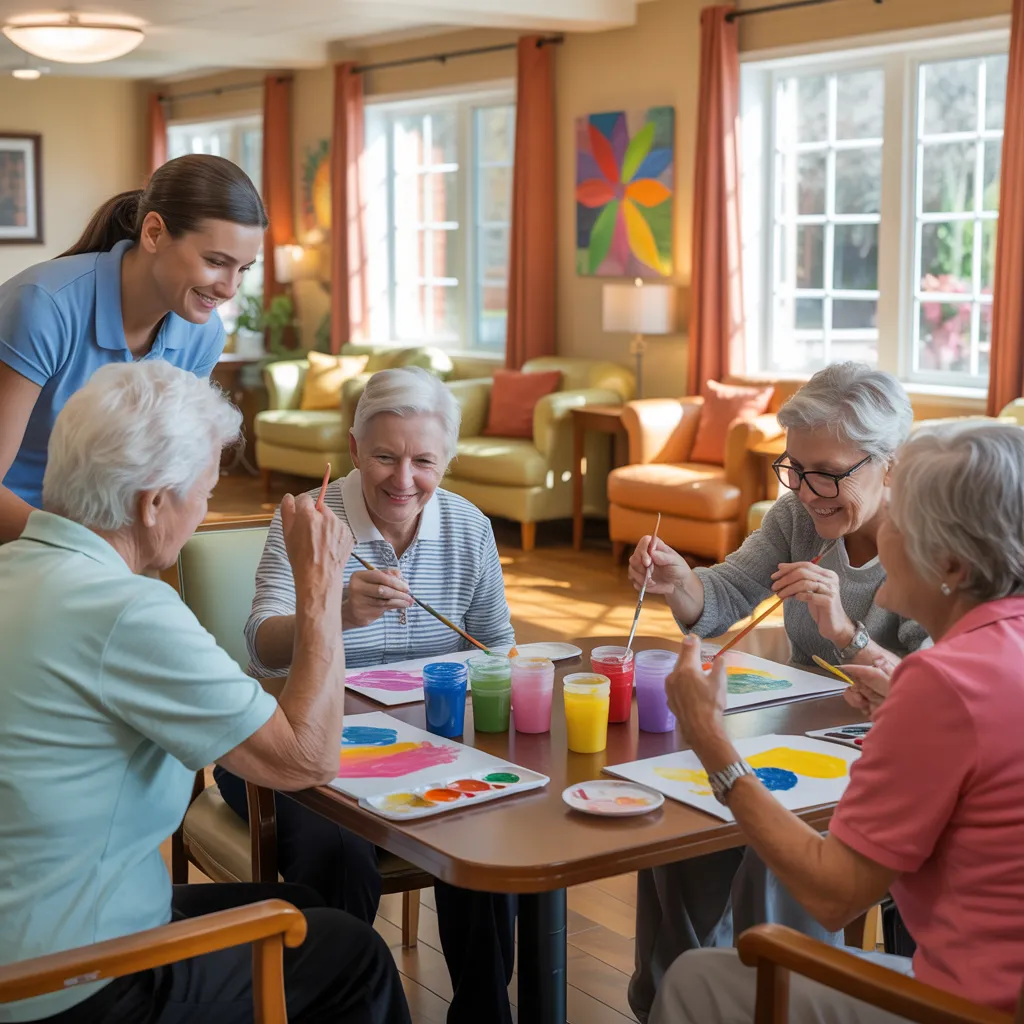
Understanding Personalized Senior Care Solutions
Personalized care can deliver provision of activity support, medical monitoring, and friendship, all designed to advance independence and dignity. By focusing on the individual's needs, support staff can foster a sense of place and purpose, which is essential to emotional well-being. Additionally, these offerings often adapt over time, accommodating the shifting needs of the aged. This flexibility permits for regular reassessment and adjustment, confirming that support stays relevant and effective. Ultimately, personalized senior support means furthering the overall well-being of older adults in a thoughtful and empathetic way.
Classes of Specialized Senior Wellness Programs
Personalized elderly care offerings include a variety of choices customized to address individual needs. Primary types include home-based care options that provide assistance within the comfort of one's home, as well as specialized health services developed for particular medical conditions. These offerings work to improve the standard of living for seniors, guaranteeing they receive the appropriate assistance.
Home-Based Care Choices
As families seek to pledge their treasured ones receive the best possible care, sundry residential care possibilities arise to accommodate diverse needs. Companion care services supply emotional support and social interaction, benefiting seniors resist loneliness while assisting with daily activities. Personal care aides attend to hygiene and ambulatory support, ensuring safety and comfort in a familiar environment. For those requiring more assistance, home support services put forth help with household tasks such as cleaning, cooking, and laundry, allowing seniors to continue their independence. Respite care furnishes temporary relief for primary caregivers, offering much-needed breaks while confirming continuity of care. Each option underscores personalized attention, allowing families to opt for the level of support that aligns with their loved one's unique requirements.
Specialized Health Services
Handling the obstacles of aging typically demands specialized health services adapted to meet the distinct medical needs of seniors. These services provide a range of offerings, including geriatric assessments, chronic disease management, and physical therapy. Geriatric assessments evaluate an individual's overall health, identifying specific needs and interventions. Chronic disease management focuses on conditions like diabetes or heart disease, offering ongoing support and education to ensure ideal health outcomes. Physical therapy enables seniors regain mobility and strength, improving their quality of life. Additionally, mental health services support emotional well-being, delivering counseling and support groups. By integrating these specialized services, seniors can navigate their health journeys with greater assurance and support, ultimately promoting a more graceful aging process.
Key Advantages of Tailored Senior Care
Personalized elderly support yields major benefits by utilizing person-specific treatment plans that satisfy personal requirements. This adaptation not only promotes better medical outcomes but also boosts the quality of life for older adults. By concentrating on the individual preferences and needs of each senior, individualized support builds a caring atmosphere ideal for health and wellness.
Personalized Treatment Programs
An increasing amount of senior care services similar information are acknowledging the importance of tailored care plans, which address to the individual requirements and choices of each individual. These customized approaches examine various factors, including medical history, physical capabilities, and emotional well-being, guaranteeing that care is not only effective but also considerate of the elderly person's way of life and desires. By engaging family members and caregivers in the planning process, these services encourage a team-based method that improves satisfaction and compliance. Moreover, tailored care plans can change, reflecting changes in health status or personal preferences, thereby providing ongoing support. This personalized focus helps seniors maintain autonomy while obtaining the care they require, ultimately resulting in more rewarding and satisfying experiences.
Improved Standard Of Life
Numerous reports indicate that personalized senior care considerably uplifts the quality of life for older adults. By focusing on specific needs, priorities, and lifestyles, these services promote physical, emotional, and social well-being. Tailored care plans can lead to better health outcomes, as they often include customized nutrition, exercise, and medication management. Additionally, personalized attention strengthens meaningful relationships between caregivers and seniors, alleviating feelings of isolation and loneliness. This supportive environment facilitates active engagement in daily activities, enhancing mental stimulation and overall happiness. Ultimately, personalized senior care not only addresses medical needs but also enriches the emotional and social dimensions of aging, allowing older adults to thrive and maintain their dignity.
Selecting the Ideal Senior Care Service
What steps can relatives follow to ensure they choose the most appropriate senior care provider for their loved ones? The procedure begins with comprehensive investigation. Families should evaluate candidate facilities based on qualifications, expertise, and services offered. Reading online reviews and testimonials can offer valuable insights into the standard of care provided.
Subsequently, scheduling consultations enables families to pose specific questions, ensuring that the caregiver's values and methods correspond with their family member's needs. It is essential to assess the facility's environment and staff interaction, as these elements significantly impact the quality of care.
Furthermore, verifying proper licensing and accreditation can assist families determine the provider's credibility. Comprehending the cost structure and accessible payment plans is equally important to avoid unforeseen costs. In the end, choosing a elderly care organization should require a balance of thorough investigation and individual rapport, guaranteeing that the selected option supports the loved one's wellness and respect.
Enhancing Autonomy and Security for Seniors
Moreover, modern solutions functions as a key element in strengthening independence. Equipment such as medical alert systems and home monitoring solutions permit seniors to oversee their daily activities with confidence. Individualized care plans, modified to individual needs, further help seniors in taking part in hobbies and social engagements, cultivating a sense of purpose.
Furthermore, caregivers offer assistance with daily tasks while motivating seniors to engage to the greatest extent they can. This balance between support and autonomy not only improves safety but also promotes self-esteem, ultimately leading to a more fulfilling and autonomous lifestyle for seniors.
Success Tales: How Tailored Care Improved Lives
Personalized care has shown transformative results for elderly individuals, illustrating the substantial impact individualized care can produce on their wellbeing. As an example involves a 78-year-old woman named Margaret, who battled mobility and loneliness. After enrolling in a personalized support program, she obtained backing that included personalized exercise plans and social activities. In just a few months, Margaret restored her strength and confidence, permitting her to participate in local programs.
In the same way, John, a 72-year-old veteran with memory challenges, gained benefits from one-on-one cognitive stimulation activities customized for his interests. His caregiver wove in familiar themes from his military service, cultivating meaningful conversations and lessening anxiety.
These examples show how personalized care not only meets individual needs but also improves psychological health. By customizing services to each elderly person's distinct needs, support workers can greatly improve quality of life, allowing elderly adults to age gracefully and with honor.
Common Queries Posed Regularly
How Professionals Design Individualized Care Plans for Every Senior?
Customized care plans for elderly individuals are established through thorough reviews, incorporating evaluations of health, preferences, and daily needs. Partnering with healthcare professionals, relatives, and the seniors themselves guarantees customized care that advances well-being and honor.
What Skills Should Caregiving Professionals Demonstrate for Tailored Services?
Caregivers should have relevant certifications, such as CPR and first aid, combined with specialized training in elderly care. Empathy, communication skills, and expertise with diverse health conditions are crucial for providing effective personalized services.
What Ways Can Households Remain Participatory in the Care Process?
Families can stay involved in the care process by attending meetings, communicating regularly with caregivers, taking part in care planning, and participating in activities with their loved ones, creating a cooperative and nurturing environment for elderly individuals.
What Emergency Procedures Have Been Put in Place for Seniors Accessing Care?
Crisis protocols for older adults undergoing care incorporate rapid entry to medical aid, established notification systems for caregivers, frequent protective drills, and person-specific contingency blueprints customized to distinct wellness demands and desires, guaranteeing timely action during emergency crises.
Are Personalized elderly care options Covered by coverage?
Older adult care services that are tailored may be partially paid by insurance providers, relying on the policy. Support often varies by vendor and certain services necessary, so individuals should consult with their insurance coverage for detailed information regarding qualification standards and available benefits.